10 Signs Your Roof Needs Professional Attention
Your roof doesn’t have to be pouring water into your home before there’s a problem.
In fact, many roofing issues start with much smaller warning signs.
A cracked tile. Deteriorating ridge pointing. A small water stain on the ceiling. Rust appearing on part of a metal roof.
Some issues may only require relatively minor repairs when they’re identified early. Others can indicate a more significant problem that needs investigation.
So, what should you be looking for?
Here are 10 signs your roof may need professional attention.

Water Stains on Your Ceiling
One of the most obvious warning signs is a water stain appearing on your ceiling or walls.
You might notice:
Brown or yellow stains
Dark patches
Bubbling or peeling paint
Damp plaster
Moisture marks that become worse after rain
Don’t assume the roof leak is directly above the stain.
Water can enter through one part of a roofing system and travel before it becomes visible inside the house.
That means finding the source of a leak can require investigating more than just the area immediately above the water mark.
If a ceiling stain appears or becomes worse after rain, it’s worth having the cause investigated.
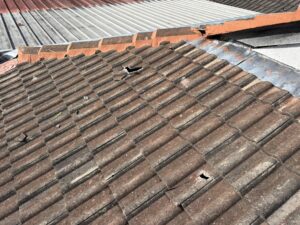
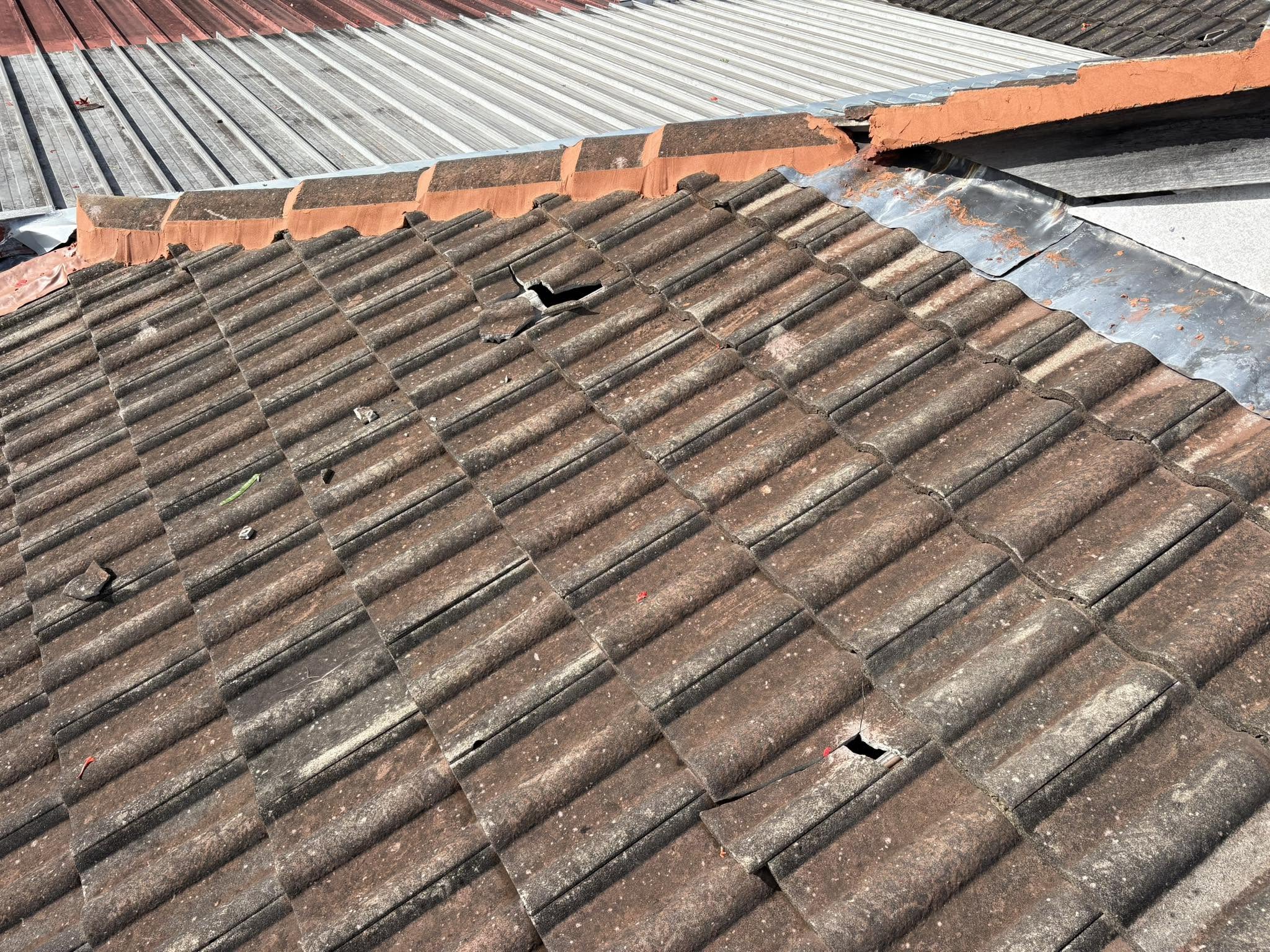
Broken or Cracked Roof Tiles
A cracked roof tile might not look particularly serious from the ground.
But damaged roofing material shouldn’t simply be ignored.
Tiles form part of the system protecting your home from the weather. If tiles become cracked, broken or displaced, they should be assessed and replaced or repaired where appropriate.
Damage can occur for a variety of reasons, including impact, storms, previous work carried out on the roof or general deterioration.
If you can see damaged tiles from the ground, don’t climb onto the roof yourself to investigate.
Have the roof professionally assessed.
Your Roof Is Leaking During Heavy Rain
A roof leak is an obvious sign that something needs attention.
But the cause isn’t always obvious.
Potential sources of water entry can include problems with roofing materials, flashing, capping, roof penetrations and other components.
That’s why simply applying sealant to the first suspicious-looking area isn’t necessarily going to solve the problem.
The source of the water needs to be identified.
If your roof only leaks during particularly heavy or wind-driven rain, that doesn’t mean the problem should be ignored.
The weather may simply be exposing an existing weakness in the roofing system.
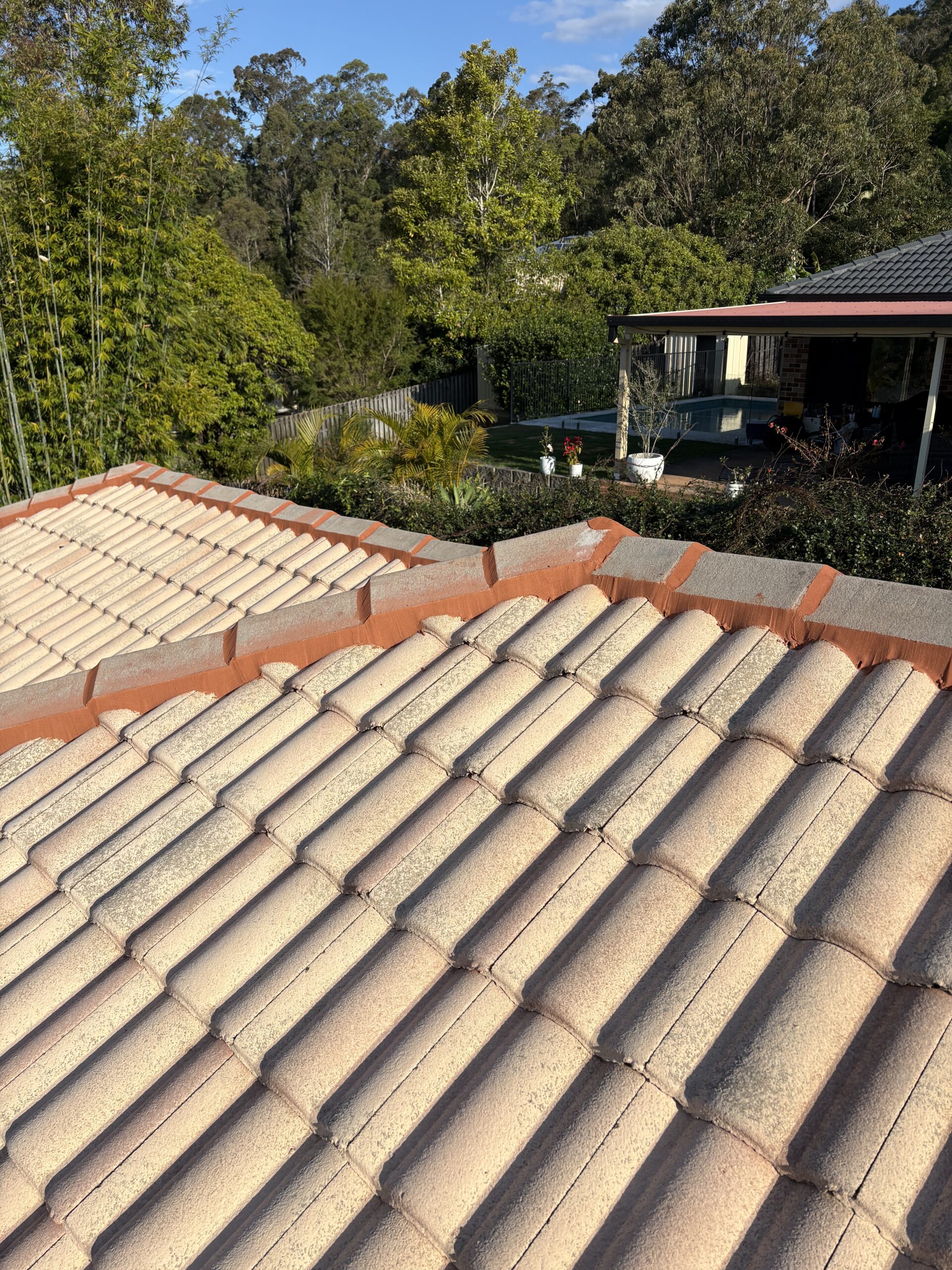
Your Ridge Pointing Is Cracking or Deteriorating
If you have a tiled roof, take a look at the ridge capping from a safe position on the ground.
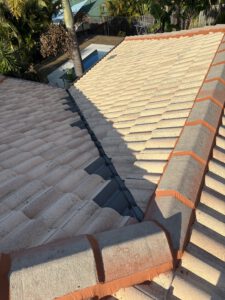
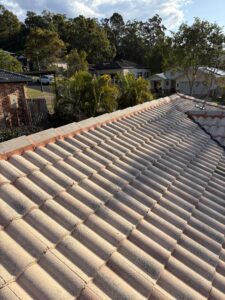
The ridge caps are the tiles running along areas such as the peaks and hips of the roof.
Around these areas you’ll find pointing.
Pointing forms part of the finished system around the ridge capping and helps maintain its weather resistance.
Over time, pointing can deteriorate.
Minor surface cracking isn’t necessarily evidence that your roof is failing, but significant deterioration, dislodged material or obvious damage should be assessed.
Depending on the condition of the roof, repointing may be appropriate.
If the bedding beneath the ridge caps has also deteriorated, more extensive work may be required.

Roof Tiles or Roofing Materials Have Moved
Your roofing materials should remain properly positioned and secured.
If you notice tiles that appear to have slipped, sections that look uneven, loose roofing material or obvious movement following severe weather, don’t ignore it.
The same applies if roofing sheets or components appear loose or displaced.
Movement may affect the roof’s ability to keep water out and can warrant further investigation.
This is particularly important after significant storms or strong winds.

You Can See Rust or Corrosion
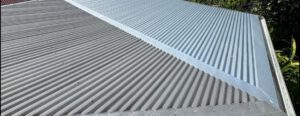
Metal roofs and metal roofing components should also be checked for signs of deterioration.
Small amounts of surface discolouration aren’t automatically evidence of a serious roofing problem.
However, obvious or progressing corrosion deserves attention.
Areas worth having assessed can include:
Metal roof sheets
Flashing
Cappings
Fasteners
Gutters
Valleys
Other metal roofing components
The surrounding environment can also matter.
For example, coastal locations can expose roofing materials to different corrosion conditions than properties located further inland.
If you’re noticing corrosion developing on your roof, having it assessed can help determine its extent and whether repairs are required.

Flashing Looks Damaged or Has Come Loose
Flashing is an important part of keeping water out of vulnerable areas of a roof.
It can be installed around areas such as:
- Roof penetrations
- Walls adjoining roofs
- Valleys
- Pipes
- Roof junctions
- Changes in roof direction
Damaged, poorly installed or deteriorated flashing can potentially allow water into the building.
Flashing problems aren’t always obvious from the ground, which is one reason professional investigation can be useful when you’re dealing with an unexplained roof leak.
If flashing is visibly damaged or has moved, have it inspected.
Your Gutters Regularly Overflow
An overflowing gutter doesn’t automatically mean there’s something wrong with the roof itself.
But it shouldn’t be ignored.
Leaves, sticks and other debris can block gutters and downpipes, preventing rainwater from draining effectively.
Gutters can also become damaged or incorrectly positioned.
During heavy Brisbane rain, the roof drainage system has a lot of water to manage.
If your gutters regularly overflow even when they’re clean, it may be worth having the drainage system assessed to determine what’s happening.
Regularly clearing leaves and debris from gutters and downpipes is also an important part of home maintenance.
Your Roof Has Been Through a Significant Storm
You don’t necessarily have to wait until water appears inside the house before checking your roof after severe weather.
Strong winds, hail, falling branches and flying debris can potentially damage roofing materials.
After a significant storm, look from the ground for obvious changes such as:
Broken tiles
Displaced roofing materials
Damaged gutters
Loose components
Fallen branches
Visible impact damage
New water stains inside the home
Some damage may not be obvious from ground level.
If you suspect the roof has been damaged, arranging an inspection can help determine whether repairs are needed.
You Keep Repairing the Same Roof Problems
One isolated roof repair doesn’t necessarily mean there’s a larger problem.
But repeated problems deserve closer attention.
If you’re regularly dealing with new leaks, recurring water entry or different areas of deterioration, it may be worth assessing the condition of the roof as a whole.
The important question becomes:
Are we dealing with an isolated repair, or is there a wider problem with the roof?
Depending on its condition, the appropriate solution could be targeted roof repairs, more extensive restoration work or, in some situations, roof replacement.
A professional inspection can help determine which approach is appropriate.
Does an Older Roof Automatically Need Repairing or Replacing?
No.
The age of your roof is useful information, but age alone doesn’t determine its condition.
A well-maintained older roof may still be serviceable.
A newer roof can still develop problems due to storm damage, impact, installation issues or other causes.
Rather than asking only:
“How old is my roof?”
Ask:
“What condition is my roof currently in?”
That’s a much more useful question.
Should I Repair, Restore or Replace My Roof?
These terms are sometimes used interchangeably, but they’re very different levels of work.
Roof Repair
A repair addresses a particular problem.
This could include replacing damaged tiles, repairing flashing or addressing another isolated defect.
Roof Restoration
A restoration involves more extensive work to an existing roof.
Depending on the roof’s condition, this could involve cleaning, repairs, repointing or rebedding, preparation and application of an appropriate coating system.
Not every roof is suitable for restoration.
Roof Replacement
Replacement involves removing and replacing the existing roofing system.
This may become appropriate when the existing roof has extensive deterioration or is no longer suitable for continued repair or restoration.
You shouldn’t automatically assume you need the most expensive option.
The condition of the roof should determine the recommendation.

When Should I Call a Roofer?
The best answer is:
Consider arranging an inspection if you’ve noticed:
- A roof leak
- Ceiling water stains
- Broken or cracked tiles
- Significant pointing deterioration
- Damaged ridge capping
- Loose or displaced roofing materials
- Corrosion
- Damaged flashing
- Storm damage
- Recurring roofing problems
And when the roofer inspects the property, ask questions.
Ask them to explain what they’ve found.
Ask for photos where practical.
Ask which work needs attention now and which work can wait.
Most importantly, ask why they’re recommending a particular repair.
You should understand what the problem is before agreeing to have it fixed.
Need Your Roof Inspected in Brisbane?
If your roof is leaking, showing signs of deterioration or simply getting older and you’re unsure what condition it’s in, having it inspected can give you a clearer idea of what needs attention.
All Weather Roofing Solutions provides roofing services across Brisbane, Moreton Bay and surrounding areas, including roof repairs, repointing, roof restoration and repainting.
If your roof needs attention, the first step isn’t assuming it needs replacing.
It’s finding out what’s actually happening.